

Telemedicine Privacy Risks Jamaican Healthcare Providers Face
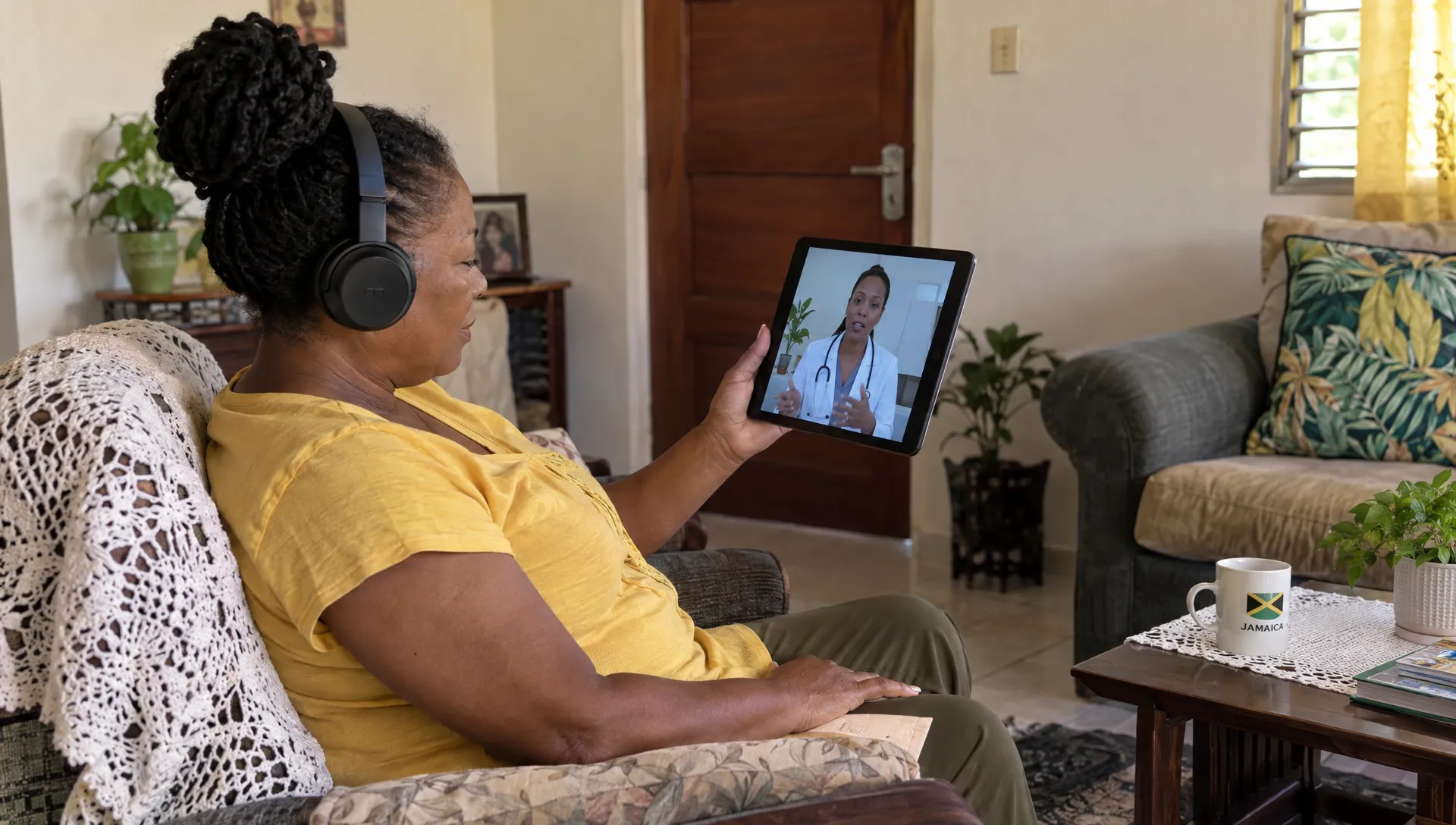
Telemedicine privacy risks extend well beyond whether a video call is encrypted. For Jamaican healthcare providers, patient information can escape through appointment reminders, shared devices, automatic transcripts or overseas service providers before anyone notices a problem.
A consultation might begin with a receptionist sending a link, continue on a clinician’s laptop and end with a prescription sent to a pharmacy. Each handover creates a confidentiality decision. This guide focuses on those remote-care pressure points and the practical safeguards clinics, hospitals and independent practitioners can put in place.
What Jamaica’s data protection law means for virtual care
Jamaica’s Data Protection Act, 2020 treats information about a person’s physical or mental health as sensitive personal data. Moving a consultation online does not reduce the provider’s responsibilities for lawful processing, security, accuracy or appropriate retention.
The Act’s requirements should inform the whole service, including booking systems and follow-up communication. The Office of the Information Commissioner is Jamaica’s data protection regulator and provides information on the national framework. Providers should include applicable controller registration, data protection officer and breach reporting duties in their compliance review.
Consent to treatment is not blanket permission to use patient information. Document the lawful basis and applicable sensitive-data processing condition for each purpose. A relevant medical-purpose condition may support necessary care-related processing, subject to its requirements, but it should not be treated as permission for unrelated marketing or product development.
Patients also need clear information about how the remote service works: who receives their data, whether anything is recorded, where information goes and how to raise a privacy concern. Keep this explanation accessible rather than burying essential details in platform terms.
Seven telemedicine privacy risks to assess
1. Appointment messages reveal more than patients expect
A reminder can expose a healthcare relationship without containing a diagnosis. A clinic name, specialist’s name or appointment description may appear on a locked phone, shared calendar or family email account.
Use discreet wording and ask patients which contact details and communication channels are safe. Avoid putting diagnoses, symptoms or sensitive service descriptions in message previews and calendar titles. Check the destination before sending attachments, particularly where staff select recipients using autocomplete.
Meeting links need protection too. Use appropriate access controls, avoid publicly reusable consultation links and configure waiting-room or admission settings where available. Staff should verify who is joining before discussing health information. A secure consultation room offers little protection if an invitation has already reached the wrong person.
2. Unseen listeners undermine confidentiality
Clinicians cannot always tell who is just outside the camera’s view. A patient may be speaking from a workplace, a shared bedroom or a vehicle with someone nearby. The clinician’s own surroundings can create the same problem.
At the start, ask whether the patient can speak privately and whether anyone else is present. Introduce everyone involved at the provider’s end. Where an interpreter, carer or family member participates, clarify their role and the patient’s agreement or other applicable authority.
Headphones can reduce overhearing, but they do not prevent another person from viewing a screen or recording the conversation. If privacy is inadequate, discuss a safer time, location or clinically appropriate alternative. Avoid requiring patients to disclose sensitive details aloud to explain why they cannot speak freely.
3. Weak identity and proxy checks disclose the wrong record
Possessing a meeting link does not establish identity. Nor does access to a patient’s phone prove that someone is authorised to discuss their care.
Build proportionate identity checks into the consultation workflow, using information already held where appropriate. Avoid routinely requesting full identity documents through ordinary chat when a less intrusive method would meet the need. Any documents collected require their own security and retention controls.
For consultations involving children, carers or other representatives, verify identity and the basis of their authority. Record relevant limits rather than assuming that a relative can access everything. Decisions involving minors should also account for applicable law, confidentiality and the clinical circumstances.
Staff need a clear escalation route for discrepancies. Urgent clinical needs should be managed through established clinical protocols, not an improvised administrative response.
4. Personal devices and messaging create unmanaged copies
A patient sends a wound photograph to a clinician’s personal number. The image then appears in a phone gallery, a cloud backup and perhaps a shared household device. Deleting the chat may not remove those other copies.
Set approved channels for clinical messages and images. Where personal devices are permitted, establish requirements for supported software, device locking, access control and separation of work information. Use multi-factor authentication where available and assess whether automatic downloads or backups create unnecessary exposure.
The policy must also explain how clinically relevant messages enter the patient record and who handles follow-up. For services using chat, PLMC’s guidance on managing privacy risks in WhatsApp Business provides additional considerations. Encryption does not resolve risks from shared accounts, recipient mistakes or insecure endpoints.
5. Recordings and AI notes collect more than the consultation requires
Some platforms offer recording, transcription or AI-generated summaries. These features can capture information about relatives, sexual health, finances or the patient’s home environment that is not necessary for the clinical record.
Keep recording and automated transcription off by default unless their use has been assessed and authorised. Establish the purpose, lawful basis, sensitive-data condition, access restrictions and retention arrangements before enabling them. Explain the proposed use clearly to patients and assess any separate consent requirements.
Review whether suppliers can retain recordings, use content for model training or involve additional service providers. A promise that information is “de-identified” needs scrutiny rather than automatic acceptance.
Clinicians should check AI-generated notes before relying on them. An incorrect medicine name or a misattributed statement is an accuracy and patient-safety issue, not merely an administrative inconvenience.
6. Overseas platforms obscure where patient data goes
A platform’s headquarters do not tell you where its servers, backups and support teams operate. Information may pass through several countries during a single consultation, including through transcription or customer-support services.
Map those flows before procurement. Assess the applicable requirements for transfers outside Jamaica and document the lawful route being relied upon. Do not assume that a supplier’s standard contract or overseas certification establishes compliance with Jamaican law.
Determine whether the supplier acts only on the provider’s instructions or uses some information for its own purposes. Contracts should address security, confidentiality, subprocessors, incident notification, patient-rights assistance and return or deletion of information.
PLMC’s guide to privacy risks in outsourced services explores related supplier-governance issues. Revisit the assessment when a platform adds an AI feature, changes hosting arrangements or introduces another supplier.
7. Follow-up information becomes fragmented or misdirected
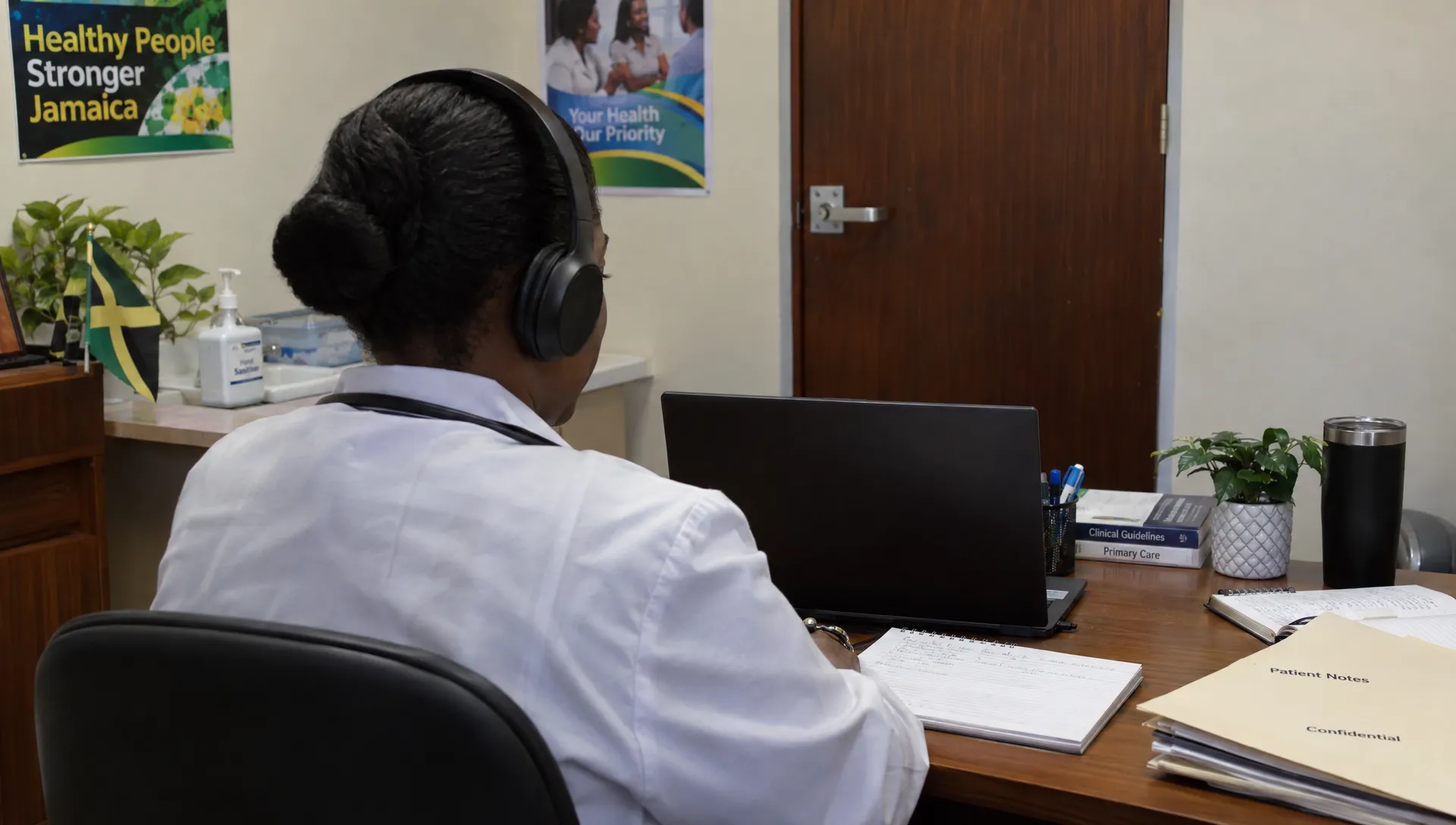
The video call may end while the privacy risk continues. Prescriptions, referral letters, laboratory requests and follow-up photographs can move through different systems, creating duplicate records and unclear responsibilities.
Define the authoritative clinical record and how relevant information reaches it. Give reception staff, clinicians and technical support personnel access suited to their roles rather than access to everything. Remove access promptly when duties change or someone leaves.
Before sending information to a pharmacy or another provider, verify the recipient and share what is necessary for the purpose. Establish a retention schedule that accounts for legal and clinical recordkeeping needs. Raw recordings and temporary downloads should not automatically inherit the retention period of the formal medical record.
Where information can be deleted, check whether copies remain in platform storage, local devices or supplier systems.
Build safeguards into the consultation workflow
A policy is useful only if staff can follow it during a busy clinic. Assign responsibility for the whole remote-care process, including booking, consultation, documentation and follow-up. Involve clinical leadership, administration, IT and the data protection officer where applicable.
A documented privacy impact assessment can help identify how the service might affect patients before deployment or a significant change. It should examine the actual configuration and working practices, not just the supplier’s marketing material.
Test realistic scenarios before expanding the service
Use fictional patient information to test the workflow. Ask staff to demonstrate what happens when someone joins unexpectedly, a patient uses a shared phone or a clinician receives a photograph outside the approved channel.
Workflow point | Practical check | Evidence to retain |
Booking | Do reminders reveal sensitive information on a shared device? | Approved templates and communication preferences |
Joining | Can staff verify and control who enters the consultation? | Access settings and admission procedure |
Consultation | Are privacy checks and participant introductions routine? | Staff procedure and training records |
Recording | Are recording and transcription settings controlled? | Configuration record and approval decisions |
Follow-up | Are recipients verified and records updated appropriately? | Handover procedure and access permissions |
Supplier exit | Can information be retrieved and unnecessary copies deleted? | Contract terms and tested exit arrangements |
Record the gap, its potential effect on patients, the person responsible and the action deadline. Prioritise weaknesses that could expose sensitive information or affect clinical decisions. Repeat relevant tests after platform updates and workflow changes.
Plan for failed connections and privacy incidents
A dropped call can prompt unsafe workarounds, such as moving to a personal account or sending records to an unverified email address. Agree on a fallback method in advance and explain how the patient can reconnect safely. Clinical urgency should guide escalation through established care protocols.
Staff should immediately escalate suspected misdirected messages, unauthorised participants, lost devices or unexpected recordings. The response procedure should cover containment, preservation of relevant logs, assessment of patient harm and applicable notification obligations.
Do not wait for proof of a cyberattack before acting. An accidental disclosure can require investigation too. Providers should identify the relevant legal notification requirements in advance so that an incident does not become the first time staff look for a reporting deadline.
Frequently asked questions
Is an encrypted video platform enough to protect patient privacy? No. Encryption helps protect communications, but it does not prevent overhearing, incorrect recipients, excessive recording or misuse by an authorised user. Platform settings, staff conduct and supplier arrangements all matter.
Must patients consent to every use of information during telemedicine? Consent is not the only possible legal basis. Providers must identify the lawful basis and applicable condition for sensitive personal data. Agreement to receive remote treatment does not automatically authorise recording, marketing or unrelated AI uses.
Can a Jamaican healthcare provider use an overseas platform? Potentially, but the provider must assess the service, relevant transfer requirements and contractual safeguards. Include hosting, backups, support access and subprocessors rather than checking only the supplier’s registered address.
Does a platform advertised as HIPAA compliant satisfy Jamaican requirements? Not by itself. Providers still need to assess compliance with Jamaica’s Data Protection Act, 2020. Any additional HIPAA or GDPR obligations depend on their scope and the provider’s activities, not simply a patient’s nationality.
Review your remote-care privacy controls
PLMC supports Jamaican organisations with data protection implementation, risk assessment, cyber security and staff training. If your telemedicine service relies on informal workarounds or unclear supplier arrangements, request a free consultation with PLMC to discuss your privacy and compliance needs. Start with the patient journey from booking to follow-up, not just the video platform.