

When Can Jamaican Businesses Process Sensitive Personal Data?
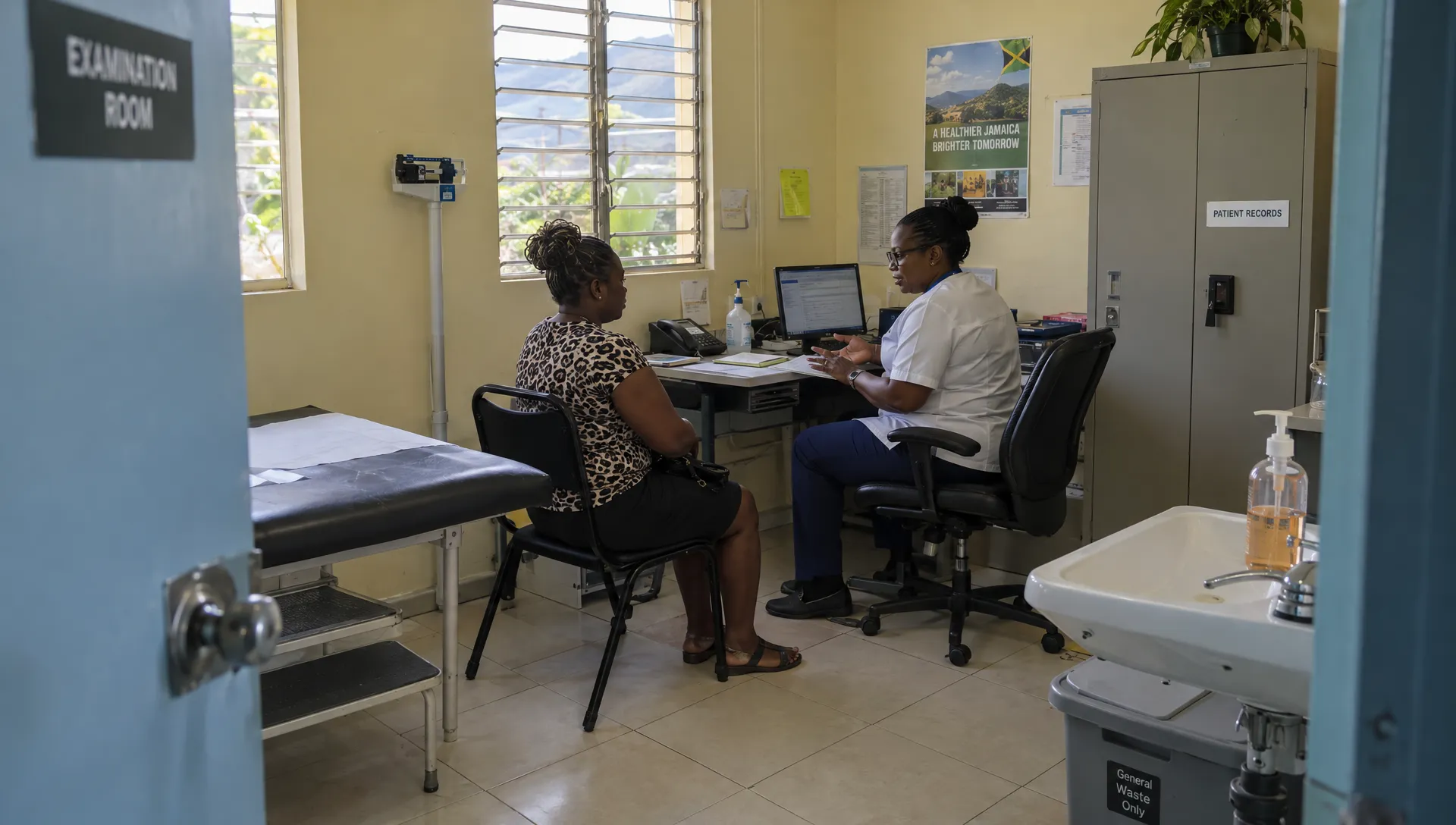
A clinic collecting a patient’s medical history, an employer requesting a medical certificate and a business considering fingerprint access controls all face the same question: when is processing sensitive personal data lawful? In Jamaica, having a useful business purpose or a standard privacy notice is not enough. The Data Protection Act, 2020 sets additional conditions for handling this information.
The practical starting point is to identify both a lawful condition for processing personal data generally and an additional condition that permits processing sensitive information. Your organisation must also comply with the Act’s wider data protection standards.
What counts as sensitive personal data in Jamaica?
Sensitive personal data is a defined legal category, not simply any information your business considers confidential. It includes information concerning racial or ethnic origin, political opinions, religious or similar beliefs, trade union membership, physical or mental health and sex life. Genetic data, biometric data and information about criminal allegations, offences and related proceedings also fall within the category.
These examples show how sensitive information can appear in everyday operations:
Information held by a business | Why it may be sensitive |
A medical certificate describing an employee’s condition | It reveals physical or mental health information |
A fingerprint template used to identify a worker | It is biometric data |
A declaration of trade union membership | It reveals membership of a trade union |
A record of an alleged criminal offence | Criminal allegations are covered, not only convictions |
A customer profile recording religious beliefs | It contains information about religious beliefs |
Bank account details and salary records require protection, but they are not automatically sensitive personal data under this statutory definition. The distinction matters because it determines which processing conditions you must satisfy.
Apply two legal checks before processing
First, identify a condition for processing personal data generally. Depending on the circumstances, this might involve consent, contractual necessity, a legal obligation or another condition recognised by the Act.
Second, identify a condition specifically permitting sensitive-data processing. An ordinary processing condition does not remove this additional requirement. For example, saying that fingerprint attendance monitoring serves the employer’s legitimate interests does not, by itself, establish permission to process biometric data.
Record both checks against the particular purpose. Collecting a medical certificate to administer sick leave and using its contents to develop an employee wellness marketing campaign are different activities requiring separate assessment.
The wider data protection duties Jamaican firms must meet continue to apply, including fairness, purpose limitation and security. Jamaica’s Office of the Information Commissioner is the official regulatory reference point. Check the Act and applicable regulations before relying on a condition, especially where the decision affects employees or vulnerable individuals.
When can businesses process sensitive personal data?
The following are common statutory routes. Each has limits, and the examples illustrate possible applications rather than automatic permission.
Express consent from the individual
Express consent can provide a condition for processing sensitive personal data, but it must be a genuine, informed choice. A broad statement such as “I agree to the use of my information for business purposes” does not clearly explain the sensitive information involved or its intended use.
Use a specific written or electronic consent statement that identifies the information, the purpose and any intended disclosures. Keep evidence of what the individual agreed to and when. Make the consent request distinguishable from unrelated terms.
For example, an optional wellness programme should explain which health details it will collect and whether the employer, a healthcare provider or another organisation will receive them.
Consent is particularly difficult in employment relationships if refusing could disadvantage the worker. A signed form does not resolve that concern. Where consent is the basis, explain how withdrawal works and assess what processing must stop if it is withdrawn. Do not describe participation as optional while making it a condition of keeping a job.
Necessary processing for employment rights or obligations
The Act provides a condition for processing necessary to exercise or perform rights or obligations imposed or conferred by law in connection with employment.
The key words are necessary and by law. An employer should identify the actual legal right or obligation rather than rely on a general statement that human resources needs the information.
Health information may be relevant to administering employment entitlements or meeting a workplace obligation. However, this does not give HR unrestricted access to complete medical histories. If a certificate confirming incapacity and its duration is sufficient, collecting a detailed diagnosis may be excessive.
Similarly, an internal preference for biometric attendance tracking is not automatically an employment obligation imposed by law. Assess that proposal separately and consider whether a less intrusive method would meet the need.
Medical purposes with appropriate confidentiality
A medical-purpose condition may support necessary processing for activities such as medical diagnosis, care, treatment or management of healthcare services. It also requires the relevant professional or equivalent duty of confidentiality.
A healthcare provider handling a patient’s records for treatment is different from a retailer collecting the same information to personalise promotions. Information does not qualify for this route merely because it concerns health.
An employer should not assume that its HR department can rely on a medical-purpose condition simply because it receives a doctor’s report. Assess the employer’s purpose and condition separately from the clinician’s processing.
Where an occupational health provider is involved, define what the provider needs and what the employer should receive. A functional assessment may be enough without disclosing the underlying diagnosis.
Protecting vital interests in qualifying emergencies
A vital-interests condition can apply to necessary processing in serious situations involving a person’s life or essential welfare, subject to the Act’s consent-related requirements.
For example, an unconscious person may be unable to consent to sharing health information needed for emergency treatment. The organisation should record why the situation qualified, why obtaining consent was not possible and what information was necessary.
This is a narrow emergency route, not a substitute for planning routine processing. Administrative urgency, a missed deadline or a manager’s desire for faster access does not amount to a vital interest.
Legal proceedings, legal advice and legal rights
Necessary processing connected with legal proceedings, including prospective proceedings, obtaining legal advice or establishing, exercising or defending legal rights can provide another condition.
A business defending a workplace injury claim may need relevant medical evidence. An organisation seeking legal advice about an alleged offence may need to share pertinent records with its lawyer.
The condition does not justify collecting every sensitive detail that might conceivably become useful. Keep the scope connected to the actual legal issue and restrict access accordingly. When information is supplied to an adviser, use an appropriate secure channel rather than circulating it widely within the organisation.
Qualifying non-profit activities and deliberately public information
Certain non-profit bodies or associations with political, philosophical, religious or trade union purposes may process sensitive information within their legitimate activities. This condition has specific boundaries concerning safeguards, the individuals covered and disclosure outside the body. Being a charity or community organisation does not, on its own, satisfy it.
A separate condition concerns information made public through steps deliberately taken by the individual. Information appearing online is not automatically covered. A leaked medical document, an allegation posted by someone else or information obtained from a restricted group is not equivalent to the individual deliberately making it public.
Even where this condition applies, the proposed use must still be fair, relevant and consistent with the other standards. Public availability does not make unrestricted profiling acceptable.
Other statutory conditions may apply to particular functions or activities. Check their exact wording rather than treating this overview as an exhaustive list.

How the conditions apply to common business decisions
A useful assessment starts with the purpose, not with the form your organisation already uses.
Proposed activity | Main issue to resolve before proceeding |
Requesting a medical certificate for sick leave | Identify the employment-related legal right or obligation and collect only necessary details |
Introducing fingerprint attendance | Identify an applicable sensitive-data condition and assess whether an alternative would achieve the purpose |
Conducting criminal background checks | Establish both processing conditions, demonstrate relevance to the role and limit the scope |
Sharing health information during an emergency | Check the vital-interests requirements and document the necessity of disclosure |
Reusing patient records for promotional messages | Assess the new purpose separately; treatment-related permission does not automatically extend to marketing |
Criminal information deserves particular care. A background-check policy or a client request is not itself a sensitive-data processing condition. Nor does an anti-money laundering obligation automatically authorise every kind of criminal-information collection. Identify what the applicable law requires and how the proposed activity fits the relevant processing conditions.
Keep a decision record before collection begins
A short, specific assessment is more useful than a policy stating that all processing is compliant. It should allow a reviewer to understand why the organisation needs the information and why the selected conditions apply.
Record the following:
Purpose and information: Specify the activity and the sensitive categories involved.
Both processing conditions: Identify the ordinary condition and the additional sensitive-data condition, with supporting reasons.
Necessity: Explain why less information or a less intrusive method would not adequately meet the purpose.
Transparency and consent: Record what individuals will be told and retain consent evidence where applicable.
Access and disclosure: Identify authorised roles, service providers and other intended recipients.
Retention and safeguards: Set a justified retention period and document the security measures appropriate to the risk.
Complete this assessment before introducing a new system or adding sensitive fields to an existing form. If the condition remains uncertain, obtain legal advice before collecting the information.
An early review can also reveal over-collection before it becomes a compliance problem. Removing an unnecessary question is often more effective than trying to justify keeping its answers.
Lawful processing still requires strong handling controls
Meeting a processing condition does not give everyone in the organisation permission to access the information. Restrict sensitive records to people who need them for the authorised purpose. A line manager may need to know an employee’s work restrictions without needing access to the medical report behind them.
Use appropriate access controls, secure transmission and protection for stored records. Separate sensitive HR or health information from broadly accessible operational files where practical. Staff should know where to store these records and how to avoid unnecessary email circulation.
Outsourcing does not remove the need for a lawful condition. Before using a payroll provider, clinic, background-check company or cloud service, establish its role, permitted uses, confidentiality obligations and security arrangements. Check international transfer requirements if information will be stored or accessed overseas.
Review retention periodically. Keep information only for as long as the justified purpose requires, accounting for applicable legal obligations and genuine legal holds. A collection condition is not permission for indefinite storage.
Frequently asked questions
Is legitimate interest enough to process sensitive personal data? No. Even if legitimate interests provide an ordinary processing condition, the organisation must also satisfy an applicable condition for sensitive personal data.
Can an employer require every employee to provide a full medical history? Not simply because the employer considers it useful. It must establish the relevant processing conditions and show that the information collected is necessary and not excessive for the purpose.
Can a business use sensitive information found on social media? Not automatically. The deliberate-publication condition concerns steps taken by the individual to make the information public. The organisation must still satisfy the other applicable standards and assess its intended use.
Does a privacy notice replace consent? No. A privacy notice explains processing. It does not, by itself, establish consent or another lawful condition. Where consent is required, the business must obtain it appropriately and retain evidence.
Assess your sensitive-data processing before it starts
Before collecting health records, biometrics or criminal information, identify the purpose, document both legal conditions and confirm the safeguards. If a condition cannot be established, pause the activity rather than collecting first and seeking justification later.
Privacy & Legal Management Consultants Ltd. provides data protection implementation, risk assessment tools and training for Jamaican organisations. Arrange a free consultation with PLMC to discuss your processing activities and the compliance support your organisation needs.
This article provides general guidance, not legal advice on a particular processing activity.